In dark times, you need a friend.
I was asked this morning politely what I thought of markets, given I’ve been around a long time. Pride aside, it’s actually true.
From Black Monday (Oct 1987) to the Gulf War (1990–91), the 1994 bond shock, the Asian Financial Crisis and LTCM (1997–98), the dot‑com bust (2000–02), 9/11, the Global Financial Crisis (2007–09), the Flash Crash (2010), the Eurozone sovereign crisis (2011), the Taper Tantrum (2013), the oil & commodity rout (2014–16), China‑related turmoil (2015–16), Brexit (2016), the US–China trade war (2018–20), COVID (2020), Russia’s invasion of Ukraine (2022), the US regional bank crisis (2023), the reflation/inflation & rate cycle (2021–24) and most recently the surprise tariff shock in April 2025—each episode felt unique at the time, yet all share a common pattern.
When headlines explode, the cockpit goes dark.
I’ve been in dealing rooms during each of those moments. Inevitably sales desks sprint to the research teams demanding immediate answers. But analysts, by training and duty, don’t give knee‑jerk calls. They need time to speak with companies, to validate data and to rebuild financial models. Their role is deliberate, evidence‑based and accountable precisely why their voice matters, and why it can’t always be instantaneous.
The paradox for active investors is clear: the exact moments when you need decisive stock selection are the moments when traditional information sources are least able to deliver crisp answers. Quarterly reports, guidance and analyst notes -your usual compass go quiet or become less reliable. Yet those are precisely the periods when mis-pricing and opportunity proliferate.
So what do you do?
You need instrumentation that converts incoming, real‑time signals into probabilistic, risk‑adjusted expectations of future cash flows. You need a framework that tells you not just what happened, but what the market is implicitly pricing and how that compares to an evidence‑based intrinsic view.
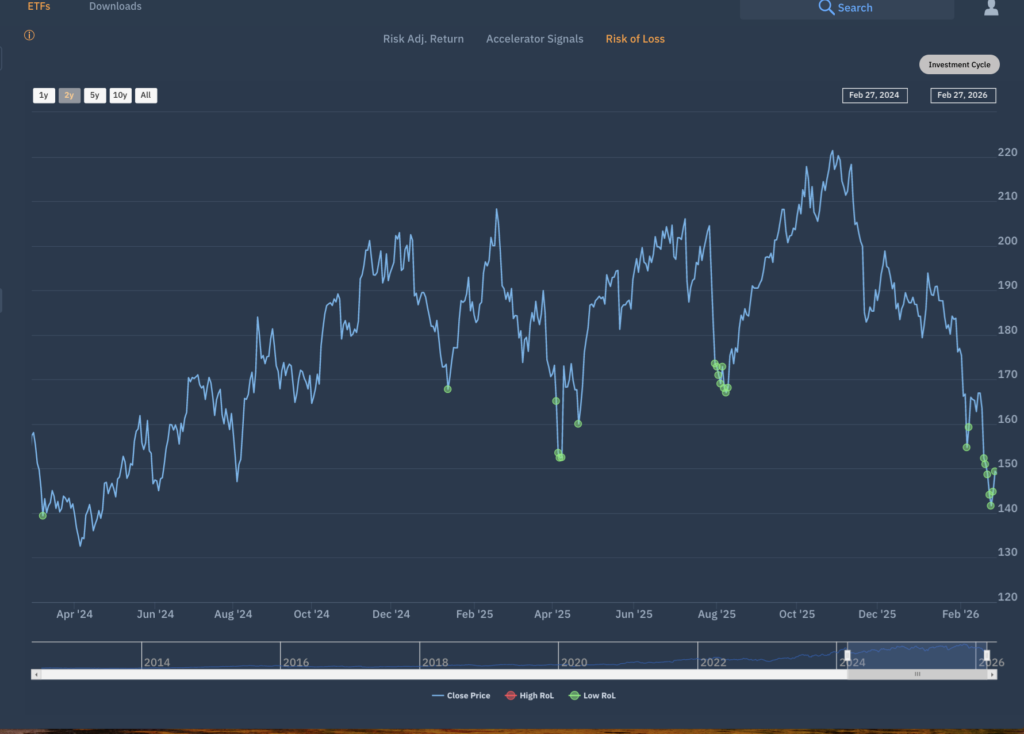
That’s what we built at Libra. Our proprietary asset‑pricing model, Apollo, runs daily across 8,000+ global equities. It ingests real‑time data, updates forward cash‑flow estimates and produces probability bands for 12‑month upside and downside. It surfaces risk‑of‑loss signals, risk‑adjusted return measures, and price‑dynamics (momentum and volatility) all visualised on an interactive platform.
Why it matters:
It gives portfolio managers actionable, time‑sensitive insight in real time when information is being assimilated and analysis is developing.
It quantifies opportunity and risk of loss framing trades in terms of risk and expected‑return terms, not gut instinct and mean reversion.
Markets will keep throwing shocks at us. The question isn’t whether you’ve seen one before it’s whether you have the cockpit instruments to navigate the next one.
Welcome to the world of Apollo. If you’d like to see how the signals work in practice, I’m happy to walk you through the platform.